Atlantic Pollock
Atlantic Pollock – The Captain’s Challenge: A Charter, a First-Timer, and the Deep Pull of Pollock
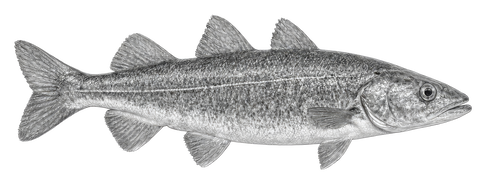
A thin gray dawn crept over Gloucester Harbor as Captain Miles Connor checked his gear for the third time, boots echoing against the deck of the Sea Venture. His client for the day—a quiet, middle-aged woman named Janine—stood at the rail, hands tucked into her sleeves. She’d arrived early, carrying a small cooler and a look of wary anticipation. It was her first trip out for Atlantic Pollock, and while she’d fished for bass from shore, this was deeper water and unfamiliar ground.
Miles handed her a cup of coffee as they eased away from the dock. “Forecast says we’ll get a good drift on Stellwagen Bank,” he said. “Pollock should be holding tight today.”
Janine smiled, but there was tension in her posture. “I’ve read about them—never thought I’d actually try it. My brother always talked about the fight.”
The boat cut across a calm sea, spray cool against their faces. Miles explained what to expect: how pollock school around ledges in thirty fathoms, how current lines and baitfish would guide their approach. He described the rhythm of jigging metal lures—sharp lifts, letting the weight flutter down—and Janine listened intently, nodding as she watched gulls wheel above.
By mid-morning they reached the break where deep blue met a paler upwelling. On sonar, arches marked fish holding just off bottom. Miles set anchor up-current of a rocky rise, then rigged two stout rods with battered jigs and fluorocarbon leaders. “Drop to the bottom,” he coached gently, “then work it back with steady sweeps.”
Their first drifts brought only silence and an occasional nibble. Janine’s jaw tightened with each missed tap; she glanced at Miles uncertainly after her lure snagged weed or slipped off a contour. But with each pass he offered small corrections—“Try pausing here… let it flutter longer”—until she found a rhythm. The sun broke through haze, turning the water silver.
Then it happened: a heavy jolt nearly pulled her rod from her grip. Line peeled out as something powerful surged below. Janine leaned into it instinctively, knuckles white, breath quickening with every run. Miles watched with quiet pride as she remembered to keep pressure steady and rod tip high.
After several tense minutes—and two aborted net attempts—a thick-bodied pollock rolled alongside the hull, sides gleaming green-bronze in the light. Janine’s face split in relief and wonder as they hauled it aboard: nearly eight pounds of muscle and hunger, perfect for her first offshore catch.
They shared a quick photo before stowing the fish on ice for dinner. Over sandwiches in the wheelhouse, conversation grew easier—stories of other trips, jobs left behind for open water days like these. Janine admitted she had almost cancelled; fear of getting seasick or failing at something new had nearly kept her home.
Afternoon brought another change as wind shifted and clouds thickened on the horizon. The bite slowed; even Miles felt frustration creep in as marks thinned on sonar and drifts grew less productive. Sensing her disappointment, he suggested moving closer to shallower contour lines—a riskier call given building chop but sometimes effective when schools scatter.
They repositioned twice before Janine hooked another strong fish near a kelp-clad rise—this one fought differently, darting upward then diving hard for cover. She lost it just short of color but grinned instead of groaning. “I get it now,” she laughed breathlessly. “It’s not just landing them—it’s feeling that pull.”
As afternoon faded to slate dusk, they cleaned their pollock together at the dock’s fillet table—Janine learning to make smooth cuts under Miles’ watchful eye. She wrapped fillets carefully for dinner at home and thanked him without reservation: “You made me believe I belong out here.”
Watching her disappear down the wharf with confident steps and sea air clinging to her jacket, Miles felt satisfaction deeper than any record catch—a reminder that sometimes guiding is less about filling coolers than helping someone claim a piece of wild water for themselves.